
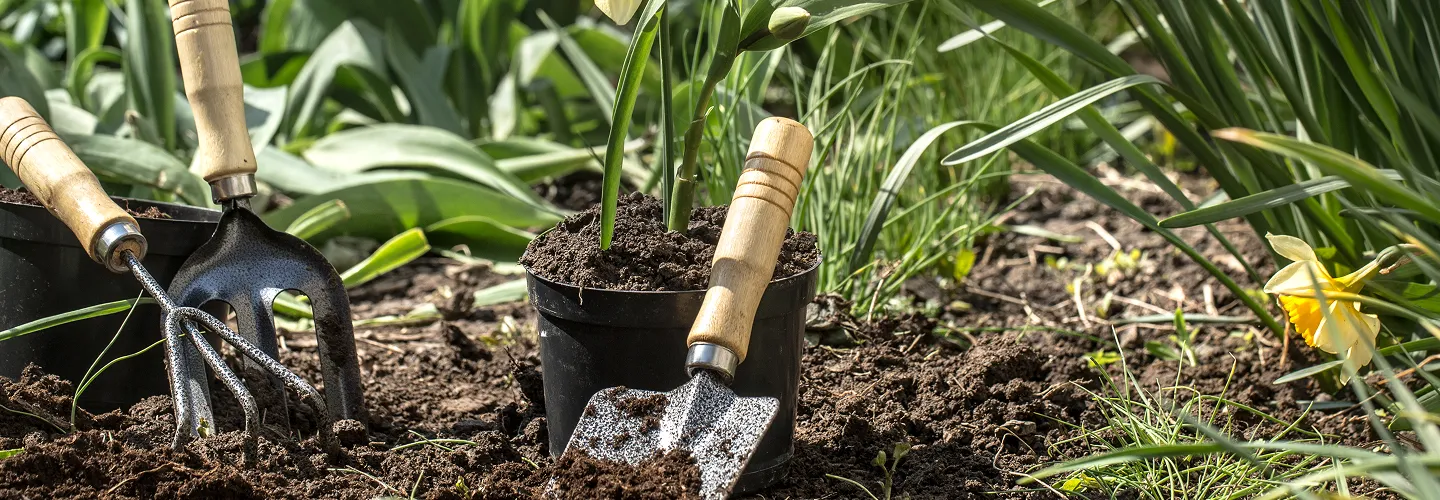
Trinity Flower Planting Services
Choose Trinity for vibrant, expertly arranged flower beds that enhance your home's beauty and curb appeal—our skilled team ensures lasting color and professional care from start to finish.
Get a Free QuoteOur Trinity Landscaping & Yard Care Services
When to Schedule Flower Planting in Trinity, Florida – Seasonal Guide
Flower planting in Trinity, Florida, is best scheduled with careful attention to our region’s unique climate and landscape. The ideal planting windows are typically late winter through early spring and again in early fall, when temperatures are moderate and rainfall is more predictable. Trinity’s proximity to the Gulf Coast means we experience mild winters with rare frost events—usually after mid-February—making it possible to start planting earlier than in many other parts of the country. Neighborhoods like Fox Wood and Thousand Oaks often benefit from the area’s sandy, well-draining soils, but it’s important to consider microclimates created by shade from mature oaks or pines, especially near Starkey Boulevard or Jay B. Starkey Wilderness Park.
Local environmental factors such as humidity, periodic drought risk, and the occasional heavy summer downpour all play a role in determining the best time for flower planting. Homeowners should also be aware of municipal guidelines and water restrictions, which can affect irrigation schedules. For more information on local regulations, visit the official town website. By understanding these local nuances, you can ensure your flower beds thrive throughout the year.
Local Factors to Consider for Flower Planting in Trinity
- Proximity to mature trees and resulting shade coverage
- Soil type and drainage, especially in areas near Little Road
- Average precipitation and risk of summer drought
- Frost dates, typically ending by mid-February
- Municipal watering restrictions and HOA guidelines
- Terrain variations, such as low-lying or flood-prone yards
Benefits of Flower Planting in Trinity
Expert Landscaping Guidance
Customized Plant Selection
Enhanced Curb Appeal
Seasonal Color Variety
Eco-Friendly Practices
Reliable Maintenance Support
Trinity Flower Planting Types

Perennial Flower Beds
-
Annual Flower Displays
-
Native Wildflower Gardens
-
Seasonal Bulb Plantings
-
Pollinator-Friendly Plantings
-
Shade Garden Installations
-
Container Flower Arrangements
Our Flower Planting Process
Site Evaluation
Soil Preparation
Plant Selection
Careful Planting
Watering and Mulching
Why Choose Trinity Landscape Services
-
Trinity Homeowners Trust Us
-
Expert Lawn Maintenance
-
Reliable Scheduling
-
Competitive Pricing
-
Professional Team
-
Satisfaction Guarantee
-
Personalized Service
Coordinating Flower Planting with Trinity’s Parks and Public Spaces Management
Flower planting in Trinity, FL, often intersects with public right-of-way, parkland, and community green spaces. Residents and property managers must coordinate with the appropriate municipal department when planning installations near public sidewalks, medians, or park boundaries. For any planting adjacent to public infrastructure, it is essential to verify setback requirements and avoid obstructing sightlines or access to utilities. The Pasco County Parks, Recreation and Natural Resources Department oversees standards for plant selection, irrigation, and maintenance in public-facing areas. Before initiating any project that may impact public land or shared spaces, stakeholders should review current guidelines and, if necessary, submit a site plan for departmental review. This ensures that plantings do not interfere with drainage, pedestrian movement, or scheduled maintenance.
Pasco County Parks, Recreation and Natural Resources
Trinity, FL
Official Website: Pasco County Parks, Recreation and Natural Resources
How Trinity’s Gulf Coast Climate and Soils Shape Flower Planting Success
Trinity is situated within the Gulf Coast Florida region, characterized by a humid subtropical climate, high summer temperatures, and a pronounced wet season from June through September. These conditions directly influence flower planting outcomes:
- Sandy and fill-based soils dominate much of Trinity, leading to rapid drainage and increased irrigation needs for shallow-rooted annuals.
- High humidity and frequent rainfall during the wet season can promote fungal diseases and root rot if beds are not properly prepared.
- The USDA Plant Hardiness Zone for Trinity is 9b, supporting a wide range of subtropical and warm-season flowering species, but occasional winter cold snaps may still damage tender plants.
- Proximity to retention ponds, swales, and stormwater basins means runoff from beds can quickly reach local waterways, making soil stabilization and mulch coverage important for environmental protection. For more on local soils, consult the USDA Web Soil Survey, and for climate-adapted plant choices, refer to the USDA Plant Hardiness Zone Map.
Regulatory Considerations and Environmental Compliance for Flower Planting in Trinity
Flower planting projects in Trinity must comply with both municipal and state-level regulations. While most residential flower beds do not require formal permits, installations that alter drainage patterns, encroach on public rights-of-way, or are part of larger development projects may trigger review by the Community Development Department. It is also important to observe local fertilizer ordinances, especially near water bodies, as outlined in Florida Statutes §403.9337. The use of pesticides or herbicides in flower beds must follow FDACS licensing requirements for commercial applications. Additionally, all plantings should be designed to prevent runoff of soil, mulch, or chemicals into storm drains, in accordance with Florida DEP’s NPDES Stormwater Program.
Pasco County Community Development
Trinity, FL
Official Website: Pasco County Community Development
Professional Methods and Seasonal Timing for Flower Planting in Trinity’s Environment
Effective flower planting in Trinity requires careful attention to timing, soil preparation, and irrigation management. Key professional standards include:
- Schedule major plantings for late winter through early spring or early fall, avoiding peak summer heat and heavy rainfall periods.
- Amend sandy soils with organic matter to improve moisture retention and nutrient availability, and use mulch to reduce evaporation and suppress weeds.
- Select species proven for Zone 9b, such as pentas, marigolds, and salvia, and group plants by water needs (hydrozoning) to maximize irrigation efficiency.
- Install drip or micro-irrigation systems to minimize runoff and ensure even moisture distribution, following EPA WaterSense Outdoors guidance.
- Regularly inspect beds for signs of disease or pest pressure, especially during humid months, and remove spent blooms to encourage continued flowering.
What Neighborhoods Do We Serve Throughout Trinity, FL?
- Heritage Springs This gated community features mature landscaping, extensive irrigation systems, and numerous beds adjacent to golf course water features.
- Trinity Oaks Known for larger lots and established shade trees, Trinity Oaks presents both sun and partial-shade planting opportunities.
- Fox Wood With newer subdivision fill soils and HOA-managed common areas, Fox Wood requires careful attention to drainage and approved plant lists.
- Trinity West This area includes a mix of single-family homes and townhomes, with smaller front beds and proximity to stormwater retention ponds.
- Thousand Oaks Characterized by a blend of sun-exposed and wooded lots, Thousand Oaks offers diverse microclimates for flower selection.
- Wyndtree Featuring winding streets and several neighborhood lakes, Wyndtree’s flower beds often border water, requiring runoff-conscious planting.
- Chelsea Place A compact subdivision with limited yard space, Chelsea Place emphasizes curb appeal and efficient use of small planting beds.