
Trinity Lawn Mowing Services
Choose Trinity for reliable, professional lawn mowing that keeps your yard healthy, beautiful, and hassle-free—so you can enjoy more time outdoors without the work.
Get a Free QuoteOur Trinity Landscaping & Yard Care Services
When to Schedule Lawn Mowing in Trinity, Florida – Seasonal Guide
In Trinity, Florida, the timing of your lawn mowing routine is crucial for maintaining a healthy, vibrant yard. The region’s subtropical climate means grass grows vigorously from late spring through early fall, with peak growth typically occurring between April and September. Homeowners in neighborhoods like Fox Wood and Heritage Springs should pay close attention to local weather patterns, as the combination of high humidity and frequent summer rains can accelerate turf growth, while the drier winter months may slow it down.
Local environmental factors play a significant role in determining the best mowing schedule. For example, areas near Starkey Wilderness Park may experience more shade and moisture retention, affecting grass height and mowing frequency. Soil type also varies across Trinity, with some properties having sandy soils that drain quickly, increasing drought risk during the hotter months. It’s important to monitor for the last spring frost—usually in early March—before resuming regular mowing. For more information on local climate and environmental resources, visit the official town website.
Local Factors to Consider for Lawn Mowing in Trinity
- Tree density and shade coverage (affects grass growth rate)
- Terrain and slope (impacts mowing safety and frequency)
- Seasonal precipitation patterns (influences turf health)
- Soil type (sandy vs. loamy soils affect water retention)
- Proximity to wetlands or conservation areas
- Municipal restrictions or watering schedules
Benefits of Lawn Mowing in Trinity

Professional Lawn Care Expertise
Consistent and Reliable Scheduling
Enhanced Curb Appeal
Time and Effort Savings
Healthier, Greener Lawns
Eco-Friendly Landscaping Practices
Trinity Lawn Mowing Types

Residential Lawn Mowing
-
Commercial Lawn Mowing
-
Zero-Turn Mowing
-
Push Mower Services
-
Riding Mower Services
-
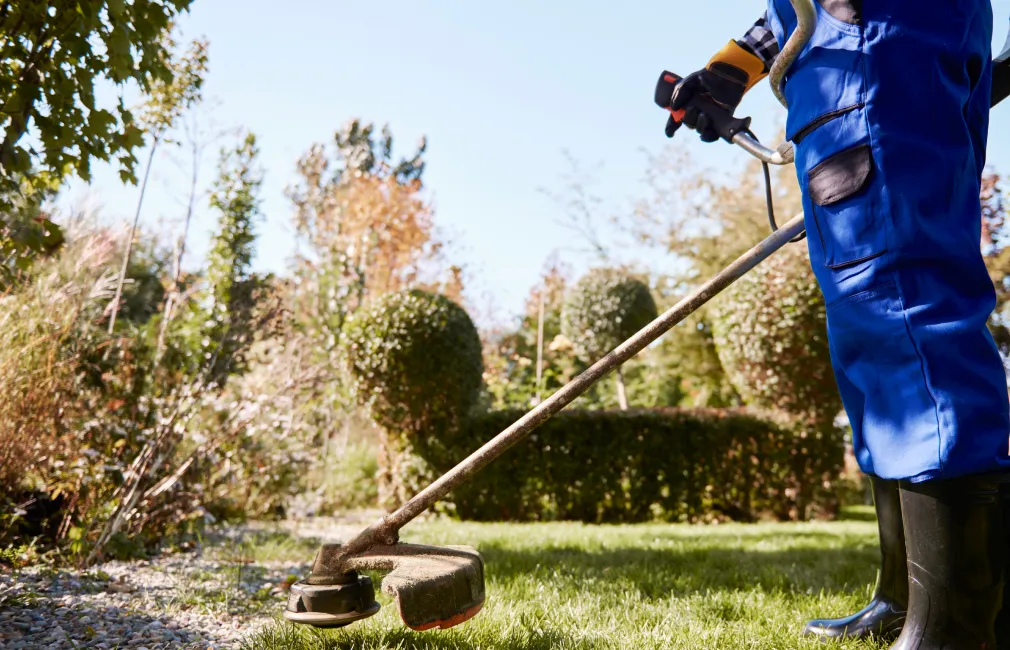
Edging and Trimming
-
Seasonal Lawn Maintenance
Our Lawn Mowing Process
Site Evaluation
Lawn Preparation
Mowing Execution
Edging and Trimming
Cleanup
Why Choose Trinity Landscape Services
-
Trinity Homeowners Trust Us
-
Expert Lawn Maintenance
-
Reliable Scheduling
-
Competitive Pricing
-
Professional Team
-
Satisfaction Guarantee
-
Personalized Service
Coordinating Lawn Mowing and Yard Waste Handling with Trinity’s Public Works
Lawn mowing in Trinity, FL, requires careful coordination with municipal yard waste collection and right-of-way maintenance procedures. Residents and property managers must ensure that grass clippings and vegetative debris are not left in the street, swales, or near storm drains, as this can obstruct drainage and contribute to nutrient runoff into local waterways. The Pasco County Public Works Department oversees the maintenance of drainage systems and provides guidance on proper disposal of yard waste. For bulk vegetative debris, such as large piles generated during peak mowing season or after storms, residents should follow county collection schedules and bundling requirements. It is essential to keep all clippings and debris out of canals and curb inlets to protect water quality and prevent localized flooding. For the most current yard waste collection procedures and right-of-way maintenance standards, consult the county’s official resources.
Pasco County Public Works Department
4454 Grand Blvd, New Port Richey, FL 34652
Phone: 727-834-3611
Official Website: Pasco County Public Works Department
How Trinity’s Gulf Coast Climate and Soils Shape Lawn Mowing Needs
Trinity is situated in the Gulf Coast Florida region, characterized by high humidity, intense summer heat, and a pronounced wet season from late spring through early fall. These conditions accelerate turf growth, especially for warm-season grasses such as St. Augustinegrass and bahiagrass, which are commonly used in local landscapes. The area’s soils are predominantly sandy or fill-based, leading to rapid drainage but also increased nutrient leaching and a higher risk of drought stress during dry spells. Additionally, the high water table and proximity to canals, ponds, and stormwater retention areas mean that improper mowing or debris management can quickly impact local water quality. Residents should be aware that:
- Frequent mowing may be necessary during the wet season due to rapid turf growth
- Sandy soils require careful irrigation management to avoid both drought stress and runoff
- Clippings left on hard surfaces can easily be washed into storm drains during heavy rains
Regulatory Requirements and Environmental Compliance for Lawn Mowing in Trinity
Lawn mowing activities in Trinity are subject to local code compliance and environmental protection standards. Pasco County Code Compliance enforces property maintenance regulations, including the control of overgrown grass and the proper disposal of yard waste. Additionally, Florida’s Model Ordinance for Florida-Friendly Fertilizer Use on Urban Landscapes and the Florida DEP NPDES Stormwater Program provide guidance on preventing nutrient and sediment runoff from entering stormwater systems. Residents and property managers should:
- Avoid blowing clippings or debris into streets, swales, or storm drains
- Confirm any irrigation or fertilizer restrictions with local authorities
- Ensure compliance with noise ordinances and mowing hour limitations, if applicable
Pasco County Code Compliance
8731 Citizens Dr, New Port Richey, FL 34654
Phone: 727-847-8171
Official Website: Pasco County Code Compliance
Professional Lawn Mowing Standards and Seasonal Timing in Trinity’s Environment
Effective lawn mowing in Trinity requires adapting to the region’s climate and turf species. According to UF/IFAS Gardening Solutions, St. Augustinegrass should be mowed at a height of 3.5 to 4 inches, while bahiagrass is best maintained at 3 to 4 inches. During the wet season, mowing frequency may increase to once per week or more, while in the dry season, growth slows and mowing intervals can be extended. Key professional standards include:
- Mowing when grass is dry to prevent clumping and disease spread
- Sharpening mower blades regularly to avoid turf injury
- Leaving clippings on the lawn (mulching) when possible, as this returns nutrients to the soil and reduces waste
- Adjusting mowing height higher during periods of heat or drought to reduce turf stress
- Timing irrigation early in the morning to minimize evaporation and fungal risk, as recommended by EPA WaterSense Outdoors
What Neighborhoods Do We Serve Throughout Trinity, FL?
- Heritage Springs This gated community features mature landscaping, extensive irrigation systems, and numerous retention ponds requiring careful clipping management.
- Trinity Oaks Known for larger lots and established shade trees, mowing here often involves managing leaf debris and shaded turf areas.
- Fox Wood With newer subdivision fill soils and HOA-maintained common areas, mowing must account for rapid drainage and uniform appearance standards.
- Thousand Oaks This neighborhood includes both single-family homes and townhomes, with a mix of sun-exposed and shaded lawns and proximity to stormwater basins.
- Trinity West Characterized by smaller lots and close proximity to commercial corridors, mowing here requires attention to right-of-way and curbside debris control.
- Wyndtree Features a network of lakes and canals, making runoff prevention and swale protection especially important during mowing and cleanup.